




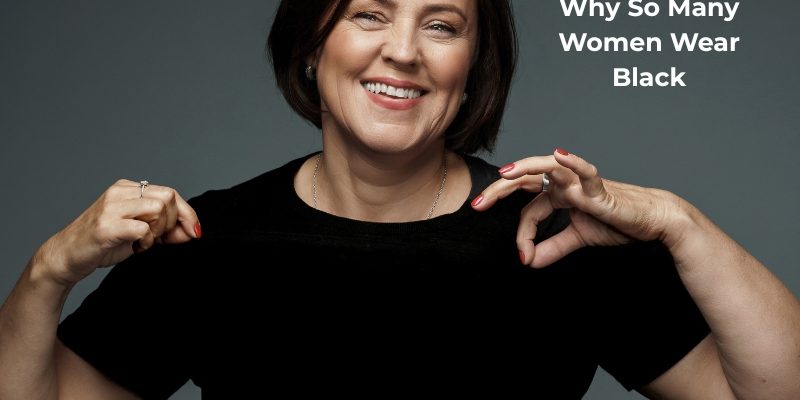




Have you ever stood in front of your wardrobe and realised… It’s a sea of black?
Black is everywhere. It’s in every store, every online catalogue, and likely, every corner of your closet. But here’s the question we need to ask: Why?
Why do so many intelligent, capable women default to wearing black, even when it washes them out, dulls their energy, and doesn’t reflect their true essence?
Let’s unpack the deeper story behind the black-clothing habit—and why it might be time to break up with black as your default.

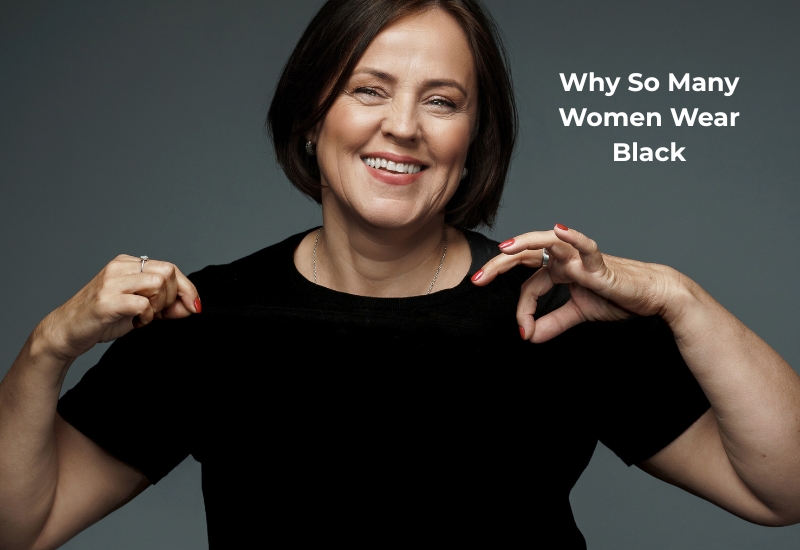
1. “Black is slimming.” (Is it really?)
This is one of the most persistent style myths out there. Yes, darker colours can sometimes appear to recede visually, but true flattery comes from harmony, not hiding. In fact, wearing black when it doesn’t suit your skin tone can highlight under-eye circles, create a harsh contrast, and drain the life from your face.
Black has visual weight, which makes any object in black appear heavier. THink I’m kidding? Let’s do this quick thought experiment.
Imagine that in front of you are two boxes of equal size and shape (identical in every way except their colour). One box is black, the other is white – which is heavier? Now, unless you are being pedantic, your immediate thought would be “the black one.” This is because black has visual weight that makes it appear heavier.
What’s truly “slimming” (if that’s what matters to you) is wearing colours that light you up because the colours that are in harmony with you create a face focus, rather than a body focus. As I always tell my colour analysis clients
“If I’m looking in your eyes I”m not noticing your thighs”.
And you become more confident, which radiates. When you wear hues aligned with your natural colouring, the whole look is elevated… and so is your presence.
Black is what you were told was “flattering” during formative years.
Many women were explicitly told—by magazines, mothers, mentors, or stylists—that black is the only “appropriate” choice. Especially for plus-size women, black was often marketed as the only flattering option, reinforcing the message that bodies should be hidden, not highlighted.
For women reconnecting with their bodies after years of criticism, colour becomes a rebellious act of self-celebration. It says, “I’m not hiding anymore.”
2. “There’s just more choice in black.”
That part is true—stores are saturated with black. But convenience isn’t the same as confidence. More availability doesn’t mean better alignment.
Black is the “easy default” that the fashion industry churns out because it sells (and it sells because they are playing off your fears of not getting it right). But just because it’s everywhere doesn’t mean it belongs on you. And just because it’s common doesn’t mean it’s your colour or you should wear it.
I often notice when I’m in stores that when I pick up a garment (not in black) that the sales assistant will helpfully say to me “Did you see we’ve got that in black?” it’s like they are black pushers. Start to notice this yourself when shopping.
Instead of defaulting to black, imagine black is a colour that you hate, one that you’d never wear, and next time you’re in the stores, you just won’t look at those black garments. Only look at the ones in colours (preferably the ones in your colour palette because you have it handy and you’re shopping with it). Here are more tips on how to stop buying black.
3. “It goes with everything.” (Spoiler: it doesn’t)
Black is often marketed as a “neutral” that pairs with anything. But the truth is, black doesn’t always go—it often overpowers colours, particularly smoky, soft colours, and it actually clashes with warm colours as black is cool.
For example, pairing black with soft pastels can look jarring. Black with warm, earthy tones can create visual dissonance. And when worn with the wrong colours for your skin tone, it can create a “muddy” or harsh effect.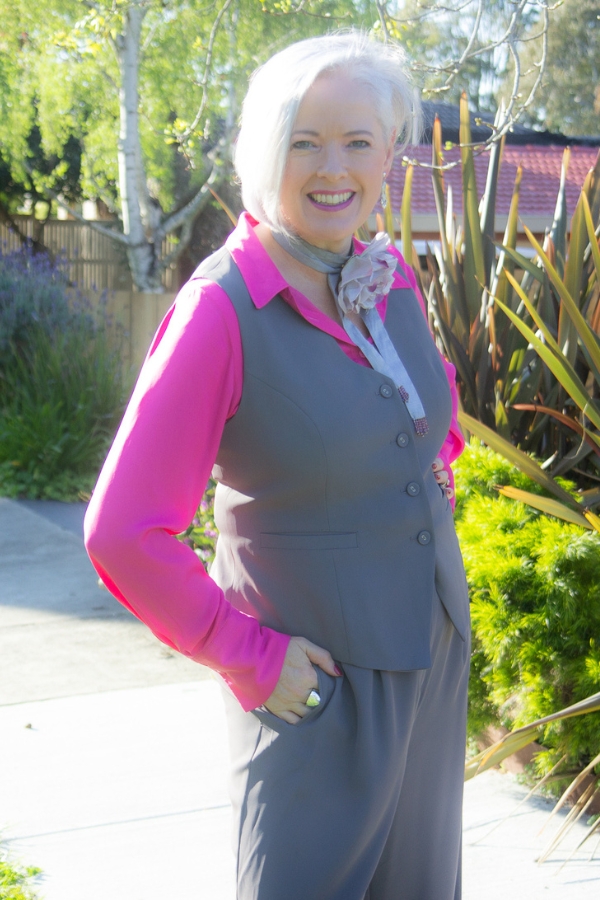
There are many other (and often better) neutrals that harmonise beautifully with your palette—like charcoal, navy, taupe, tan, camel, browns, rose beige, olive or soft white. These alternatives can feel far more supportive and elegant.
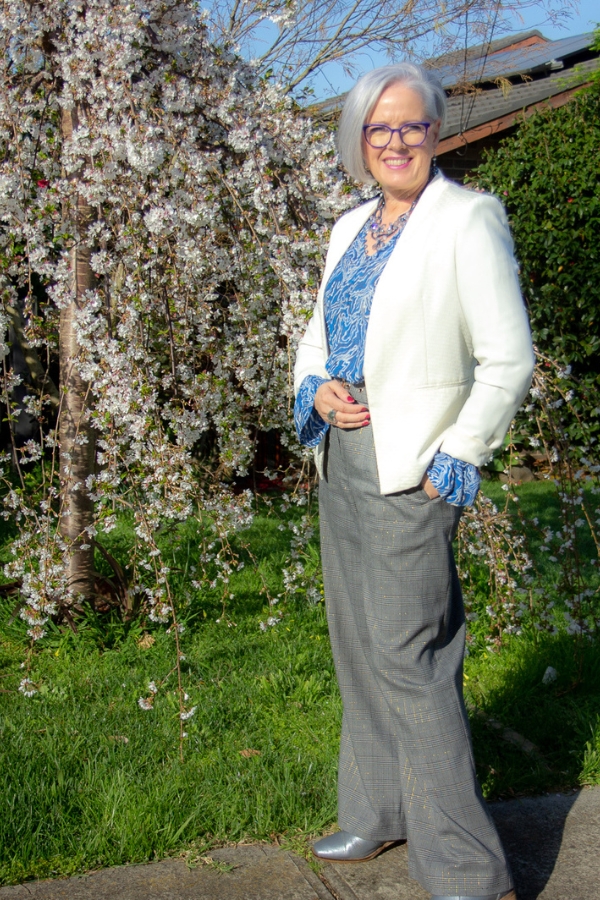
4. “Black is sophisticated.” (Or… is it just safe?)
Once upon a time, black signalled elegance and simplicity. When Coco Chanel first brought the Little Black Dress to the market, it was the epitome of sophistication. Her silk dresses with beaded necklines reflected the little indoor lighting available (candles and gas lights, followed by early electric lighting, none of it very bright), so shadows were already cast everywhere.
But in today’s world, it often feels more like camouflage than confidence. It’s become the safe, default option. The “I don’t know what else to wear” colour.
True sophistication isn’t about wearing what everyone else wears. It’s about choosing what suits you. What highlights your essence? What feels aligned?
And that’s rarely found in default mode.
5. “It’s easy—I don’t have to think about mixing colours.”
Here’s the emotional truth: many women wear black not because they love it, but because they’re tired. Tired of overthinking outfits. Tired of trying to “get it right.” Tired of years of mixed messages about what they should wear.
Black becomes the colour of decision fatigue.
But here’s the shift: when you have a system—like understanding your colour palette, you no longer need to default to “easy.” You have ease.
There’s a big difference.
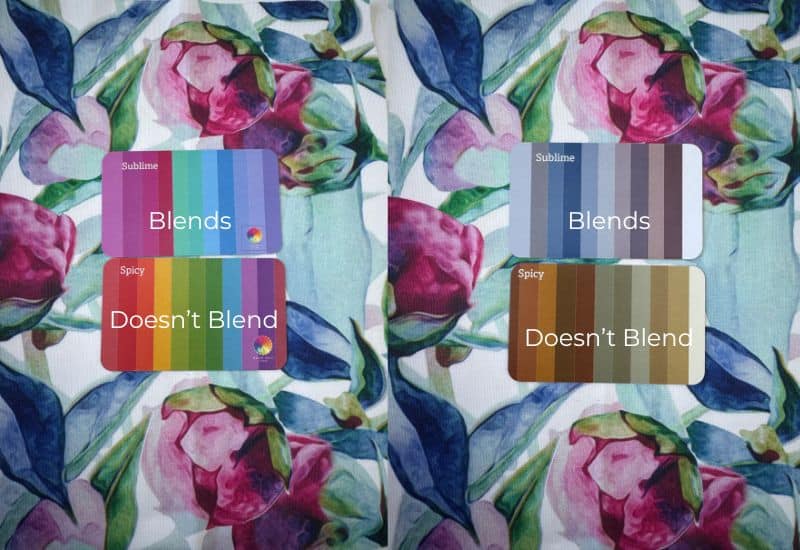
Your neutrals work with your colour palette. You don’t need black to get the same ease in mixing colours when you have the right neutrals which are part of your palette.
6. “Black feels like emotional armour.”
Black can serve as a psychological shield, especially for women who feel vulnerable, exposed, or disconnected from their bodies. It can communicate, “Don’t look too closely.”
Psychologically black says “stay away from me”, it’s not approachable or friendly. There is a reason that Darth Vader in Star Wars is dressed head to toe in black!
In this way, black becomes a kind of energetic boundary, especially in environments where a woman feels judged, objectified, or emotionally overloaded. It can signal seriousness, competence, or a desire to blend in.
But what starts as self-protection can easily become self-erasure.
7. “I’m less likely to make a mistake in black.”
This one runs deep. It speaks to perfectionism, to the fear of standing out in the wrong way. Of being “too much” or “not enough.”
Black feels like a safety net—neutral, unobtrusive, invisible. But if your goal is to feel seen, expressed, and alive in your clothing… then black might actually be the mistake.
8. “Black is expected”
For women in academia, law, finance, and medicine, black is often the unofficial uniform. It’s tied to perceptions of authority, neutrality, and professionalism. Many high-achieving women absorb the belief—consciously or not—that “serious women wear black.”
But these cultural codes often suppress individuality and femininity in favour of “blending in” to traditionally masculine environments. In midlife, many women begin questioning these inherited norms and asking: Is this really me anymore?
9. “I’m uncertain about my personal style”
If you don’t know your style identity or colour palette, black can feel like the safest bet. It’s a placeholder—an “until-I-figure-this-out” solution.
But over time, it becomes a habit that replaces exploration. Women stop experimenting, stop playing. And style becomes a chore rather than a creative expression.
Helping you reconnect with your inner style compass is key available—it’s not just about what to wear, but how to rediscover joy in the process and I’m here to give you the right advice and guideance.
11. “Black was once part of my identity” (but you’ve outgrown it)
For some women, black was genuinely empowering at one stage—perhaps in their teens as they rebelled and individuated from their parents, or in their 30s, in high-pressure careers, or during times of reinvention. It felt sleek, modern, even edgy.
But personal evolution calls for style evolution. What once felt powerful may now feel draining or dull.
Recognising that outgrowing black isn’t a betrayal of your past identity, it’s a sign of growth and this is a good thing.
12. “It’s simple.” But so is a signature style system.
Wearing all black is one version of simplicity, but it’s a limited one. True simplicity isn’t about eliminating colour; it’s about achieving coherence.
One of the most essential elements of an aesthetic experience is coherence—the ability to create organised complexity. It’s how our minds decide whether something is harmonious or chaotic, whether it feels refined or overwhelming.
When your wardrobe is built on colours that harmonise with you and with each other, you naturally create visual coherence. You achieve that beautiful, polished look without trying too hard. It’s not minimalist or maximalist—it’s you-aligned.
Black might seem simple, but it doesn’t guarantee coherence. In fact, when it clashes with your natural colouring or personal energy, it can create dissonance—even if everything “matches.”
That’s why colour analysis isn’t restrictive—it’s liberating. It gives you a system that lets your style feel cohesive, refined, and effortlessly elevated.
Are You Choosing Black… or Defaulting to It?
There’s nothing wrong with black—if it’s a conscious choice. If it’s part of your palette. If it lights you up. But if you’re wearing black because it feels like your only option, it’s time to reclaim your style power.
Your wardrobe should reflect your values, your energy, and your presence. It should cohere—visually, emotionally, and energetically.
Because when your outfit feels harmonious, you feel harmonious.
Style isn’t about rules. It’s about resonance. And you deserve to feel as radiant on the outside as you are within.
If you’d like to discover your best colours, the ones that resonate and create aesthetic coherence with you then I’d love to do a personal colour analysis for you. We’ll discover your signature colours that really make you shine and give you an undeniable presence. This can be done online (I’ve spent more than a decade testing and tweaking my online colour analysis system to ensure it works accurately).
Read More
Why You Want to Find Your Black Alternative to Build Your Wardrobe Around
Why Black May Not Be Your Best Friend- Busting the Black Myth