





Fashion is never just about fabric. At the highest levels of design, it’s a form of storytelling – often told through colour psychology in runway fashion.
From Valentino’s saturated signature reds to the neon statements at Versace, designers use colour to shape emotion, perception, and meaning. The runway becomes a visual language. And colour is the grammar of style.
Let’s break down how today’s fashion leaders are applying colour psychology in runway fashion to communicate identity, drama, disruption, and more so that you can apply some of these principles to your own outfits.
The Runway as a Colour Lab
High fashion is like a science lab for colour – every shade selected with purpose. Let’s look at a few iconic examples and the psychological impact behind them:

Red for Power & Passion
Red has been unmissable in many runway seasons. Designers used vibrant reds – chili‑pepper, fiery scarlet, and “tomato‑red” – to convey confidence, intensity, and visibility. It’s a colour that draws attention and communicates strength. Europeans and U.S. runways alike featured red pieces not just as evening wear, but in daywear statements and accessories.
Designers use red in runway fashion to:
- Project confidence and sexual energy
- Grab visual focus immediately
- Signal status or danger
No other colour shouts quite like red.
Check Out These Examples
Aelis Fall 2025 Couture
Zuhair Murad Spring 2025 Couture
Robert Wun Fall 2024 Couture
Zuhair Murad Fall 2024 Couture
White for Purity & Disruption
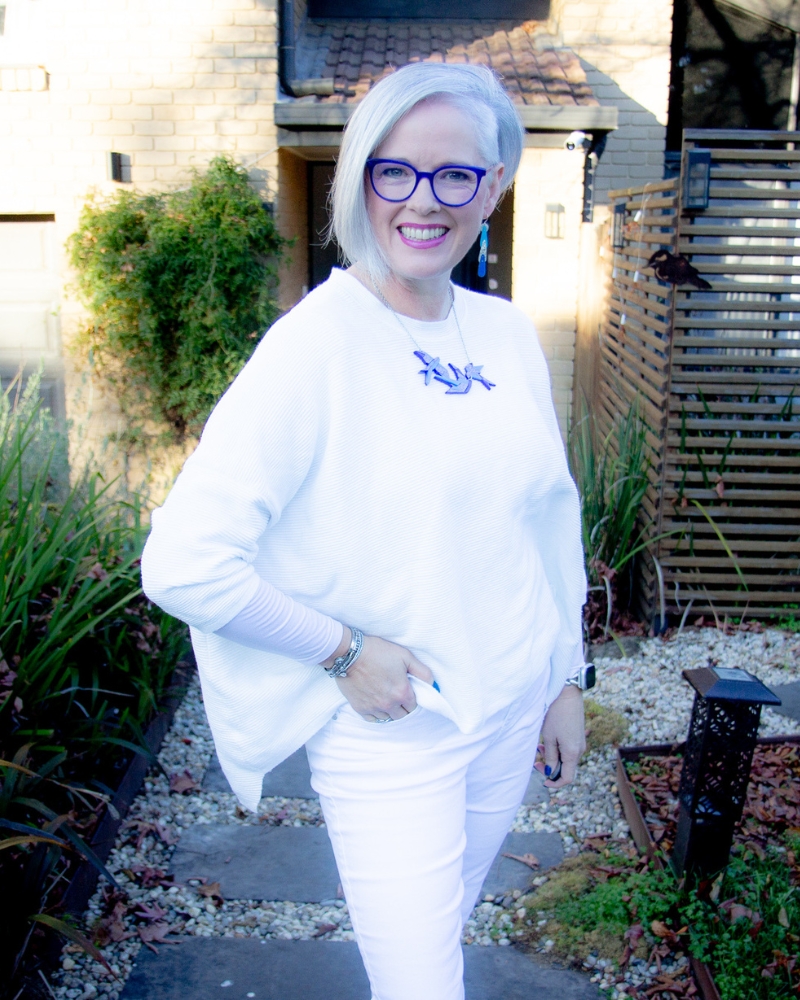
Yes, Pantone’s Cloud Dancer is the colour of 2026, and it may sometimes be considered a little bland. While not always as headline‑grabbing, white continues to play a role in runway collections as a tool of contrast and disruption. Designers are using all‑white looks to challenge expectations, highlight shapes and shadows, and create minimalist statements that feel fresh, clean, and almost graphic. The trend aligns with the broader movement toward “quiet luxury” and pared‑back palettes, with richer-tone moments.
White becomes a tool for:
- Creating a visual pause or reset
- Highlighting structure and texture
- Conveying purity or futuristic minimalism
White (unlike black) is great for showing up interesting detail in fabric and construction as every seam and detail is visible.
In the context of colour psychology in runway fashion, white often acts as a clean slate—or a deliberate erasure of noise.
Ardazaei Fall 2025 Couture
Aelis Spring 2025 Couture
Zuhair Murad Spring 2025 Couture
Black and Darks for Authority & Mystery
Black is not a colour I’d recommend most people wear, in fact, unless the colours that suit you are dark, bright and cool, I’d stay away from it completely as it will drain the life out of you unless you want to wear a full face of makeup (and plenty of blush). That said, in the world of fashion, black remains a fashion staple colour, constantly reinterpreted.
Why not take some of these examples, then translate those dark aspects to your best dark colours, bitter chocolate, navy blue or deep olive green.
Recent shows have revived strong tailoring, dramatic silhouettes, and textures (leather, sheer overlays, matte and gloss contrasts), using black as both a base and the statement itself. Its authority is in how much designers are using black not as default, but as a deliberate choice: power dressing, mystery, drama.
Why dark colours work:
- It conveys power and restraint
- It absorbs light, creating shadows and intrigue
- It adds timeless elegance to even experimental silhouettes
Dark neutrals with a depth of meaning.
Peet Dullaert Fall 2025 Couture
Ardazaei Fall 2025 Couture
Viktor & Rolf Fall 2025 Couture
Yuima Nakazato Fall 2025 Couture
Elie Saab Fall 2025 Couture
Aelis Spring 2025 Couture
Ashi Studio Spring 2025 Couture
Yuima Nakazato Spring 2025 Couture
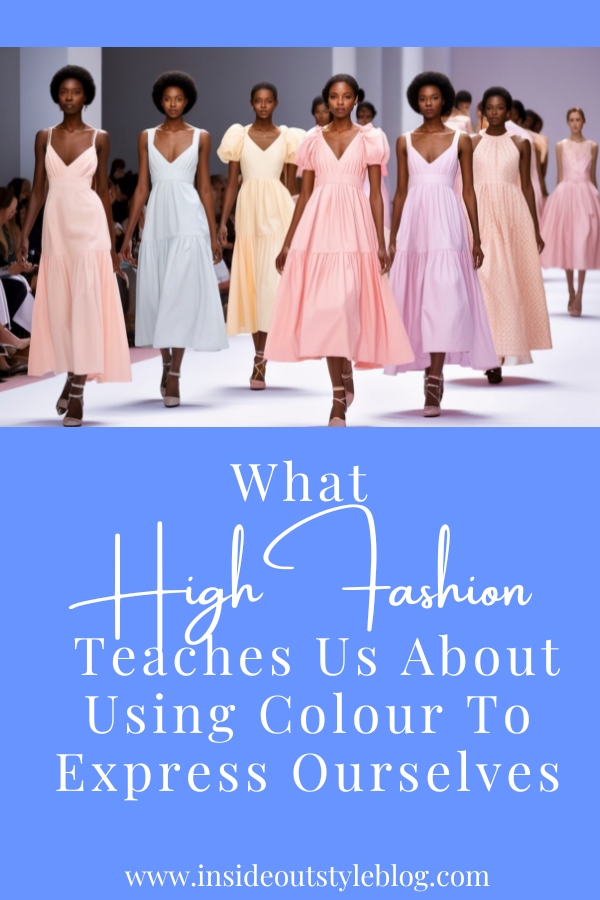
Pastels for Nostalgia & Femininity
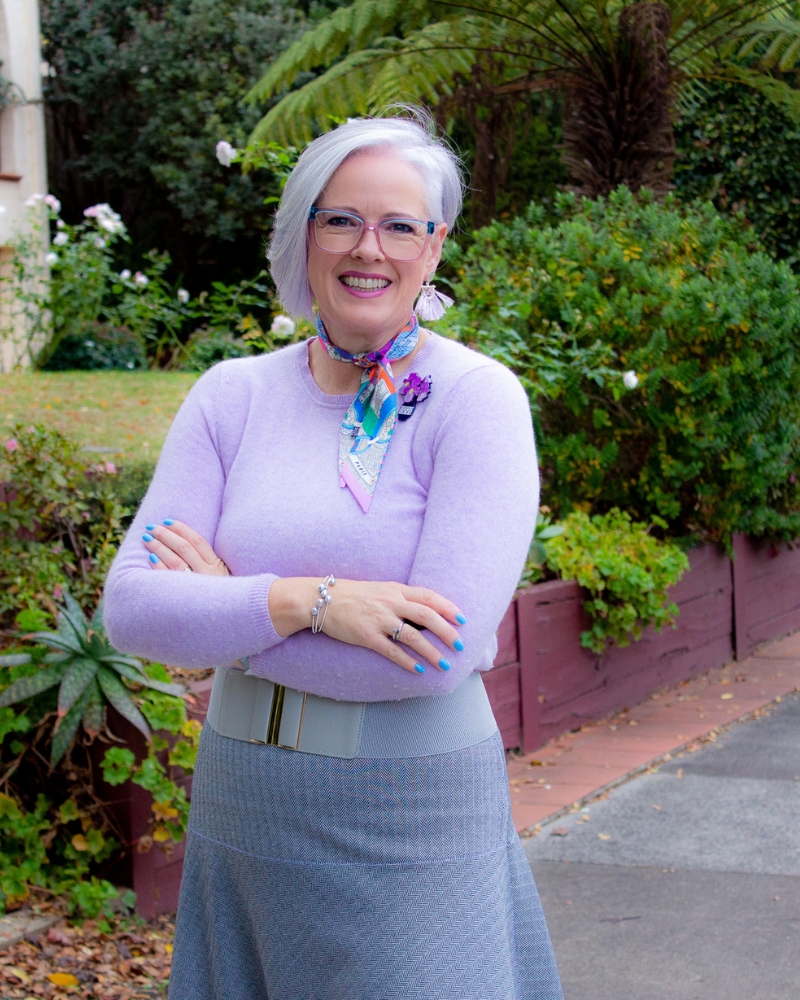
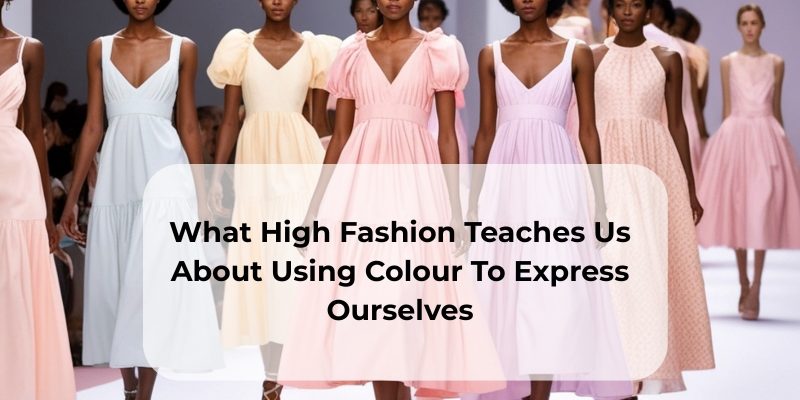
Pastel tones have made a strong return. Light blues, dusty pinks, soft yellows and creams were everywhere this summer – balancing the more intense reds and neons. These softer shades are being used to evoke nostalgia, femininity, romanticism, and calm. They temper the intensity of louder colours while providing contrast in mixed-colour palettes.
Pastels offer:
- A romantic escape
- A youthful, calming energy
- A counterbalance to bold, angular design
They’re not just pretty—they’re psychologically comforting
Rami Al Ali Fall 2025 Couture
Elie Saab Fall 2025 Couture
Miss Sohee Spring 2025 Couture
Elie Saab Spring 2025 Couture
Neons for Rebellion & Attention
Neon has come back with force. Designers are using electric hues – hot pink, lime green, vibrant orange – not just in streetwear but in haute couture, accessories, and outerwear. Neons are used to disrupt, to be visible, and to celebrate audacity and energy.
Neon works by:
- Demanding immediate visibility
- Linking to club culture, futurism, and athleticism
- Breaking up neutrals with statement energy
They’re polarising on purpose—and that’s the point.
Germanier Fall 2025 Couture
Lever Fall 2025 Couture
Valentino Spring 2025 Couture
RVDK Ronald Van Der Kemp Spring 2025 Couture
What This Means for Your Personal Style
Now, unless you’re attending the Met Gala ball, you’re probably not wearing sculptural gowns down the street. But that doesn’t mean these colour lessons don’t apply to you. In fact, understanding how colour psychology works in fashion gives you a powerful tool to express yourself with greater clarity and intention.
Ask yourself:
- What do I want to feel when I wear this outfit?
- What do I want others to feel or perceive when they see me?
- What colours tell the story I want to tell today?
Bringing Couture Colour into Your Closet
You don’t need to dress like a runway model to benefit from chromatic cues. Here’s how to apply this in real life:
Use Colour to Set the Tone
Start your outfit by asking: “What do I want to feel today?” Calm? Assertive? Creative? Your colours can guide your energy and influence how others perceive you.
Use Colour Placement Strategically
Want to draw attention upward? Wear a bold colour near your face. It can be in an accessory, earrings or a necklace; it doesn’t have to be a garment. Want to ground your outfit? Anchor it with deeper tones on the bottom.
Know Your Best Colours
Not every trend needs to enter your closet. Discover your ideal palette with tools like personal colour analysis. I guide you through this in my 7 Steps to Style program so you can wear colour with confidence.
Want to Dive Deeper into the Psychology of Colour?
Understanding the emotional language of colour is part of the transformation I guide you through in my 7 Steps to Style program. You’ll learn not only what colours flatter your unique colouring, but also how to use colour as a tool for communication, confidence, and creative self-expression.
Ready to master the art and science of personal colour? Explore 7 Steps to Style here.
Runway designers aren’t just creating clothes – they’re curating emotion. They know that colour is powerful, primal, and persuasive. Once you learn how to harness colour psychology in fashion, your closet becomes more than storage. It becomes a palette for your personality, your mood, and your message.
Style isn’t just what you wear. It’s how you speak in colour.
Recommended Reading
What the Met Gala Gets Wrong About Style And What You Can Learn from It Anyway
Where the Stars Go Right with Their Oscars Frocks and Why They Work