






The Real Reason You Keep Buying Clothes You Never Wear
Open your wardrobe right now. Somewhere in there is a top you loved in the shop and have worn twice. A jacket that seemed like a great idea and now just takes up hanger space. Maybe a dress with the tags still on, because the moment you got it home you realised you had absolutely no idea what to wear it with. You didn’t think you had the right shoes, you’re not sure what to layer it with… so it sits there, unworn, waiting for that magical item to show up that will make everything work together.
If that sounds familiar, I want to tell you something that might be a relief. It isn’t you. It isn’t a lack of discipline, or bad taste, or being “hopeless with clothes.” New research just confirmed what I’ve been telling clients for years, and the numbers are worth sitting with.
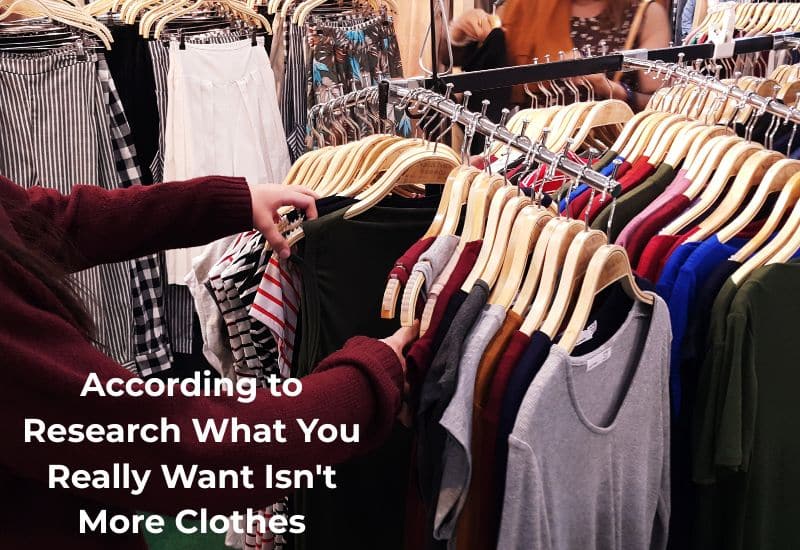 New research names the problem
ASOS and Attest surveyed nearly 2,000 UK shoppers in mid-2026, and the findings read like a summary of every wardrobe edit I’ve ever done.
A third of people, 33%, have abandoned a purchase because they couldn’t picture themselves actually wearing it. Nearly half, 45%, have bought something without knowing how they’d style it, and 39% end up with clothes they rarely wear for exactly that reason. More than half, 55%, have bought extra items just trying to complete a look that wasn’t quite working, and 46% say they need help figuring out how a new purchase fits with what they already own.

That is not a wardrobe full of mistakes. That is a wardrobe full of items bought without a plan for how they’d actually get worn.
It isn’t a shopping problem, it’s a knowledge gap
Here’s the line from that research that stopped me in my tracks. 68% of people said knowing what to buy is easier than knowing how to wear it. And 64% think the fashion industry gives them too many options and nowhere near enough guidance on what to do with them.
Think about that for a second. We’ve spent years being told the fix for “nothing to wear” is more shopping. More trends, more new season arrivals, more choice. But choice was never the problem. Direction was.
You don’t need another jacket. You need to know why the jackets you already own aren’t working, and what would actually solve that.
Why this keeps happening
In my experience, there are three things missing when someone buys on impulse (or on an influencer’s recommendation) and later regrets it.
1. You’re shopping without a filter.
Without a clear sense of your personal style, the words and feelings that describe how you want to look and feel, every purchase is a fresh gamble. You’re relying on “Other stylish people think it’s good” in the moment, which is exactly how you end up with 15 versions of a top that never quite feels like you. In one of my recent conversations with a personal styling student, she told me she’d started to realise just how much learning about her personality and style was helping her put outfits together. She’d previously been trying to copy a stylish friend, who would wear a belt to finish an outfit. When my student tried to wear a similar outfit, she said the belt never felt right. It felt too stiff, too unlike her, and she realised from what she’d been learning in my training course that her friend had a much more Classic Personality dressing style compared to her more Relaxed personality, which is why the belt wasn’t for her. This is not uncommon when you’re copying others’ style rather than defining and authoring your own, based on your unique personality, body, lifestyle, and preferences.
2. You don’t know your own colouring.
A huge number of “bad buys” aren’t wrong because of the cut or the style; they’re wrong because the colour fights your natural undertone and intensity. Once you know your colour properties, you can tell in about two seconds whether something will make you glow or make you look tired, before you’ve even tried it on. Having a colour palette makes shopping decisions faster and easier (cutting out 75% or more of any store’s stock in seconds) so that you can quickly decide what to even consider, knowing that when you buy on palette, your outfit choices will expand as the colours in your wardrobe seamlessly work together. If you’re one of the 45% who aren’t sure what to wear your new garment with, chances are that garment’s colour is wrong and you don’t have colours that harmonise with it easily. You don’t have to stick to black, white, camel and grey to have lots of outfits in your wardrobe. All you need is a palette based around your colouring, knowing your best 2-3 neutrals to base your wardrobe around, and those signature colours that work with your neutrals beautifully and that make you look stunning.
3. You’re buying items, not building a wardrobe.
A single piece bought in isolation, with no thought to what it needs to work with, is how you end up needing to buy three more things just to make the first one wearable. That’s the 55% who bought extra items to complete a look. A working wardrobe is a system, not a pile of individually lovely things. This comes back to the lack of knowing your personal style, building a wardrobe strategically over time using your colour palette, and being influenced by others who tell you “what you should own” or buying fashion trends for the sake of them.

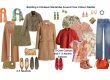
Everything, the top, the jacket, the necklace all work together as the palette relates, the value of a colour analysis and understanding your personal style can’t be underestimated.
What actually breaks the cycle
None of this means shopping less carefully forever, or living in the three outfits you already trust. It means shopping with a plan.
Before you buy anything, ask what it needs to do in your existing wardrobe. Can you name at least two things it will pair with, today, without a single additional purchase? If not, put it back, or accept you’re signing up for a follow-on shop.
Get honest about your colours. If you don’t know your undertone, your intensity or your natural contrast, this is worth sorting out once, properly, so every future purchase is filtered through it rather than guessed at. Your colouring changes with age, so a colour analysis you had 30 years ago (or even 15 years ago) is probably no longer your best colour palette.
And build a style recipe, three or four words that capture who you actually are now, not who you were ten years ago or who an influencer is telling you to be. Use it as your yes or no test in every changing room and every online cart.
This is precisely the gap the research describes, and it’s exactly what I built 7 Steps to Style to close. It walks you through your personality and style recipe, your body and colouring, and how to turn all of it into a wardrobe that works together rather than a collection of good intentions. If buyer’s remorse is a familiar feeling, that’s where I’d start.
What’s the item in your wardrobe you regret most, and be honest, was it love at first sight with no plan for how you’d wear it? Tell me in the comments; I’d genuinely love to know I’m not the only one who’s done this.