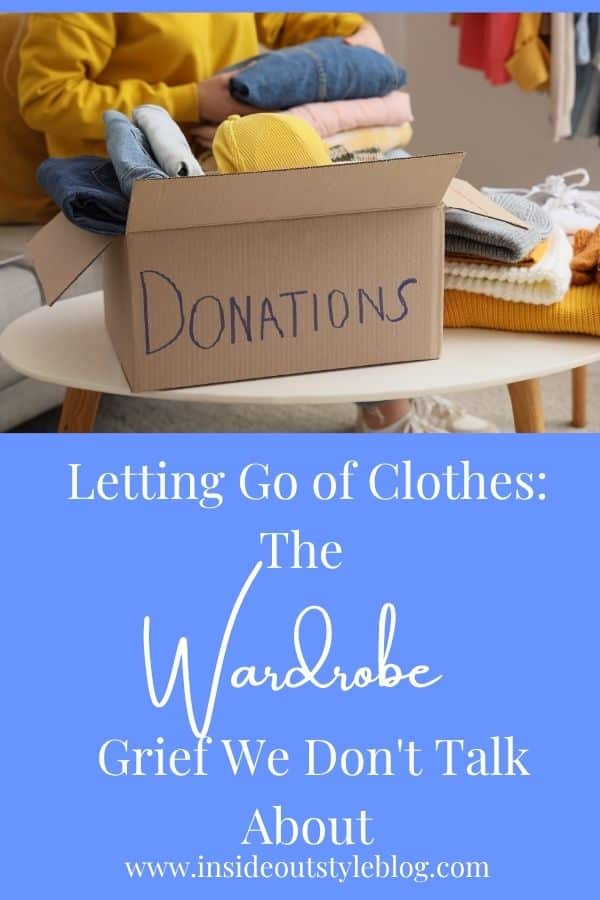







There’s a dress in most wardrobes that hasn’t been worn in years. It doesn’t fit, or the life it belonged to no longer exists, or both. Letting go of clothes like this should be simple. In practice, it rarely is, and it’s still hanging there, taking up its little rectangle of space, refusing to leave.
I see this constantly in wardrobe audits. A client will hold something up, hesitate, then say some version of “I know I should get rid of this, but…” and trail off. She’s not being indecisive. She’s grieving. Nobody warns you that clearing out a wardrobe can feel like this.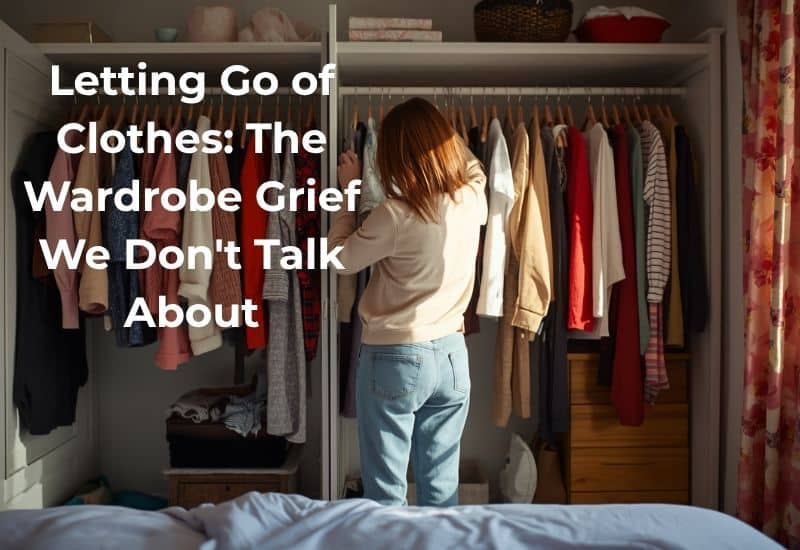
The Clothes That Hold Memories
A wardrobe is rarely just a collection of fabric. It’s a record. The jacket from the promotion you were so proud of. The jeans from before children, when getting dressed felt like a fun experience where you got to play dress-ups, rather than a chore that takes up precious time. The dress from a night out with someone who isn’t in your life anymore. The blazer from that corporate job you used to have. You’re not keeping these pieces because you love them as clothes. You’re keeping them because of what they witnessed.
That’s worth naming, because once you see it clearly, sorting your wardrobe stops feeling like a simple decluttering task and starts feeling like the more complicated thing it actually is.

When Your Wardrobe No Longer Reflects Your Life or Your Body
Bodies change: after kids, menopause, illness, or simply the years doing what years do.
Maybe you’ve had a massive shift in hair colour (like I did) which meant what used to work no longer does.
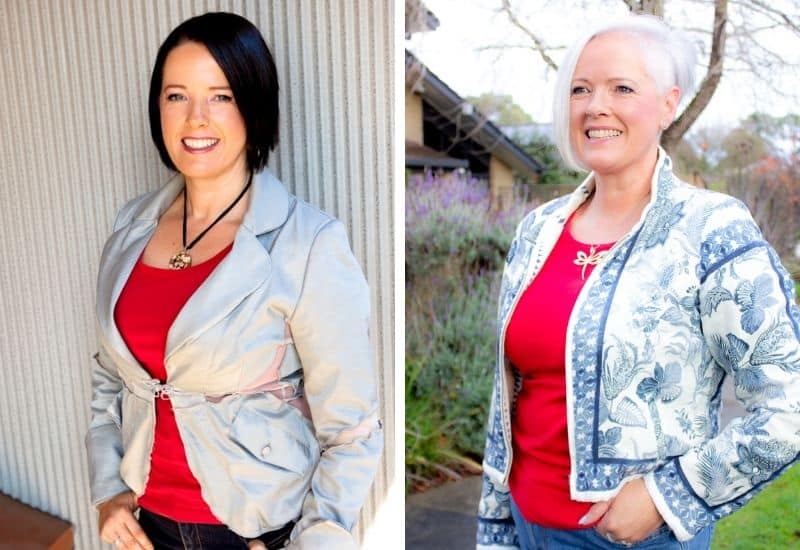
Careers evolve, from corporate to self-employed, from full-time to retired. People become parents, then become empty nesters. Confidence shifts. Priorities shift. Somewhere in all that, the clothes that once made perfect sense for a Tuesday stopped making sense, and it feels like you missed the memo.
That mismatch isn’t failure. It’s evidence you’ve grown, and your wardrobe simply hasn’t caught up yet. I’ve written before about where your wardrobe is actually taking you, and it’s worth asking whether yours is pointed at the past or the present.
Hope or Habit?
One question cuts through the fog faster than any decluttering method I know:
If this fitted perfectly tomorrow, would I actually wear it?
Think about it honestly. Sometimes the answer is yes, and that’s a piece worth keeping for the genuine hope it represents. More often the honest answer is no, and that tells you something different: you’re not holding onto possibility anymore. You’re holding on to the past and calling it possibility so it hurts less.
Why Letting Go of Clothes Feels So Hard
Here’s the part almost nobody says out loud. When you struggle to let something go, you’re rarely grieving the garment itself. You’re grieving what it stood for. A younger self. A career you loved and left. A body you used to live in. A season of life you weren’t finished with when it finished with you.
There’s a name for part of this. Consumer researcher Russell Belk described what he called the “extended self”, the idea that our possessions become woven into how we understand our own identity, so letting go of an object can genuinely feel like losing a piece of who we are. That’s not an excuse to keep everything. But it is permission to stop feeling silly that you’re struggling to move on.
That’s real grief, even if the object attached to it is a cardigan. And once you let yourself call it that instead of “being silly about a jumper,” it gets a great deal easier to actually move through it. If you’d like a more practical, item-by-item way to work through the pile, I’ve put together a full walkthrough on deciding what actually stays and what goes.
Honour the Past Without Living In It
You don’t need to clear everything out in one brutal weekend to make peace with this. A few pieces are worth keeping deliberately, on purpose, rather than by default:
- Keep one or two garments that are genuinely meaningful, not twelve
- Photograph the rest before they go, so the memory stays even after the item doesn’t
- Pass the good pieces on so someone else gets their own chapter with them
The goal isn’t detachment. It’s choosing what you keep instead of simply failing to let go. And if you’d rather have someone sit through this with you rather than face the pile alone, that’s exactly what a wardrobe edit session is for.
Dress the Woman You Are Today
Your wardrobe’s job is to support the life you’re actually living, not to archive the one you used to live. When every piece in there reflects who you are now, getting dressed stops being a small daily reminder of what’s changed and starts being what it should have been all along: an act of self-respect.
Sometimes the hardest part of building a wardrobe you love isn’t buying new clothes. It’s giving yourself permission to let go of the person you no longer need to dress.
For me, it’s my changing hair colour. I had a lot of black clothing when I had dark hair.
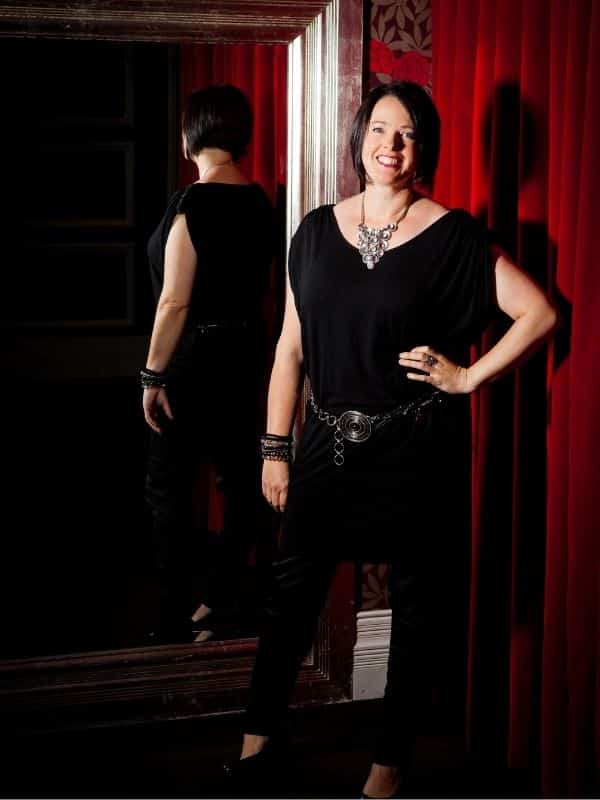
When I shifted to blonde and now silver, I still had a lot of black (though I wasn’t actually wearing it anymore). It felt like a waste to let those pieces go. It took me a long time to admit that I’m aging and I’d never have that dark hair again and that this is the me that is moving forward with my life, and she’s great, even though she’s different from the me that I spent so much of my life being. I wrote about that here and why we need a future focused wardrobe, rather than one that’s stuck in the past.
Is there one piece in your wardrobe you’ve been holding onto for a reason that has nothing to do with whether you’d wear it? Tell me what it is; I’d love to know I’m not the only one.